
Why Biocides Matter: Safeguarding Products, Processes & People
September 5, 2025 No Comments Microorganisms such as bacteria, fungi,
Microorganisms such as bacteria, fungi, algae, and viruses pose continuous challenges across modern industries. If not properly managed, they can contaminate products, disrupt industrial systems, and endanger public health. This makes biocides indispensable—they ensure cleanliness, durability, and operational safety in countless sectors.
Biocides are chemical agents or microorganisms that control, neutralize, or eliminate harmful organisms. Unlike antibiotics (used strictly in medicine), biocides are deployed across a wide spectrum of industrial and commercial sectors—from paints and personal care to water systems and energy—to stop microbial activity and protect products, equipment, and people.
Water Treatment – Clean water for drinking, industrial use, and wastewater systems.
Paints & Coatings – Prevents spoilage in storage and microbial growth after application.
Oil & Gas – Prevents corrosion and contamination in drilling and pipeline operations.
Wood Protection – Shields timber from termites, fungi, and rot.
Healthcare & Hygiene – Enables disinfectants, antiseptics, and hygiene products.
Food & Beverage – Preserves freshness and safety in consumables with food-grade biocides.
With growing environmental consciousness, industries are pivoting toward greener alternatives:
Biocides are more than protective agents—they are essential components of public health, industrial safety, and product durability. Whether it’s delivering clean water, extending the life of paints, or ensuring hygienic environments, biocides make modern living safer and more sustainable.
As industries evolve toward greener practices, biocides will continue to play a pivotal role—striking a critical balance between performance, safety, and environmental responsibility.

September 5, 2025 No Comments Microorganisms such as bacteria, fungi,

September 5, 2025 No Comments Microbial growth doesn’t stop once
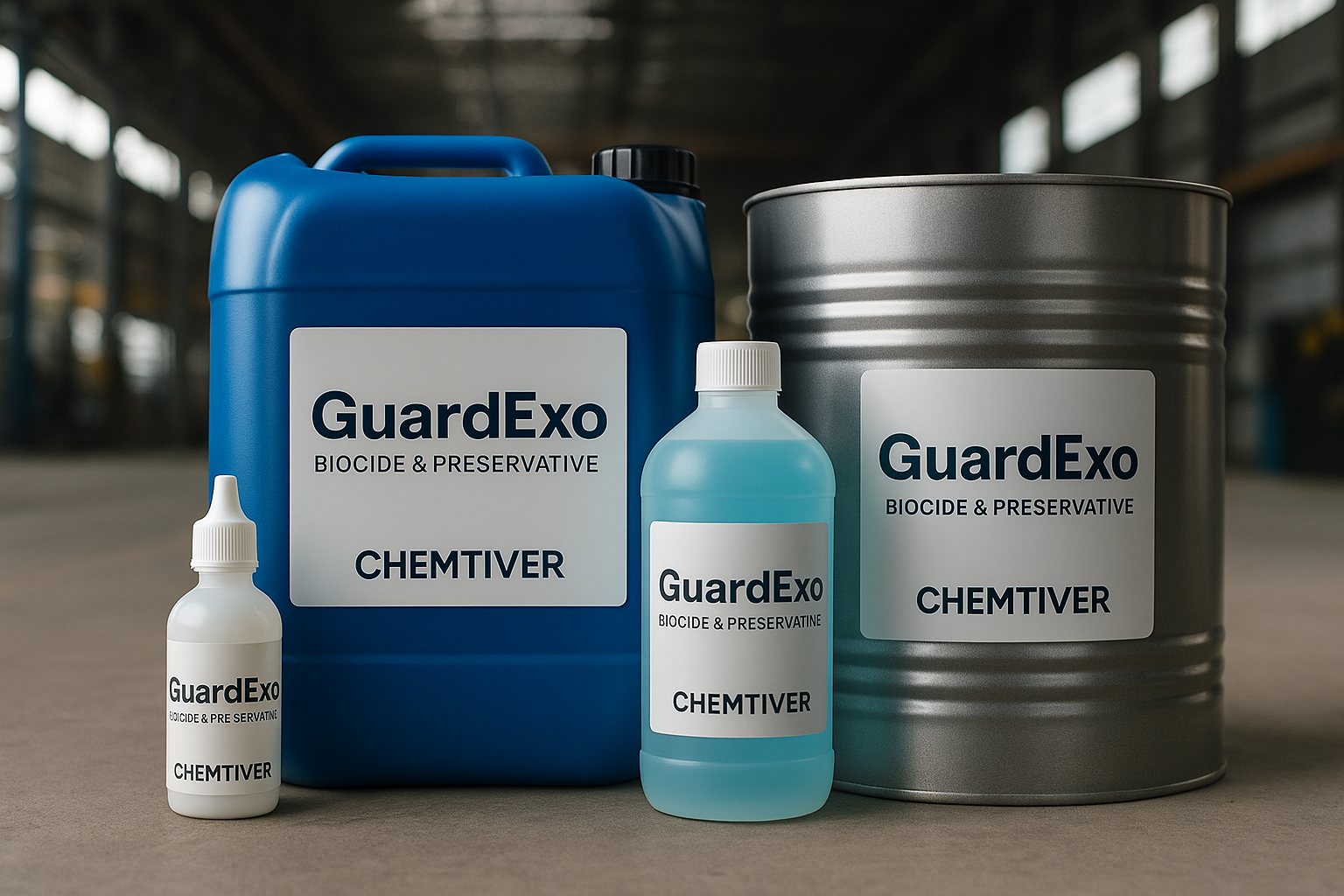
September 5, 2025 No Comments Indian chemical manufacturer Chemtiver., headquartered
BiocideHub.com is an independent platform. All biocide brand names, trademarks, and product names mentioned on this website are the property of their respective owners. BiocideHub does not own, represent, or claim affiliation with any third-party brands. Brand names are used strictly for informational and reference purposes only.
Copyright @2026, All Rights Reserved.