
Why Biocides Matter: Safeguarding Products, Processes & People
September 5, 2025 No Comments Microorganisms such as bacteria, fungi,
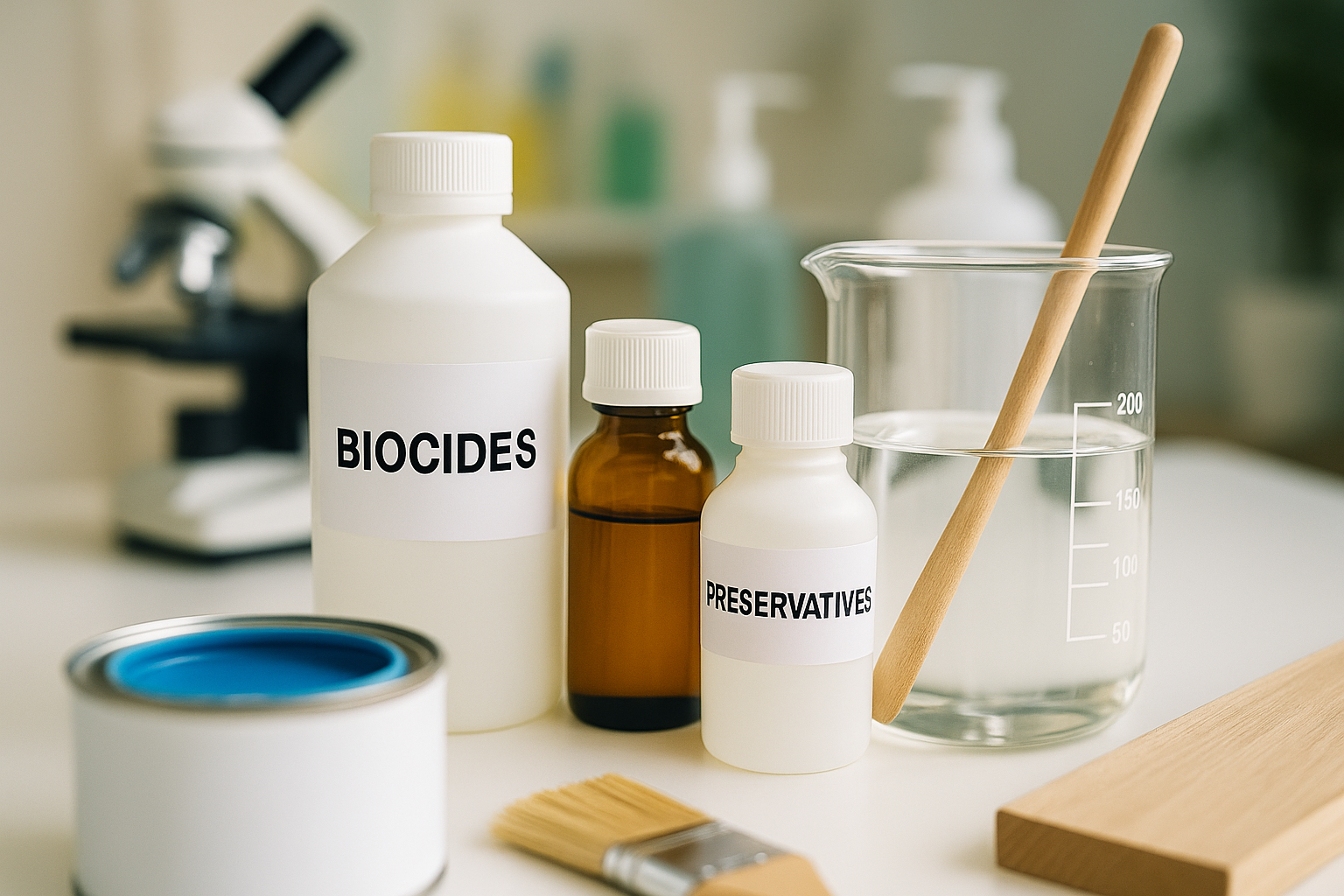
Biocides and preservatives are indispensable in today’s industrial, commercial, and consumer sectors. They protect products, materials, and systems from microbial contamination, ensuring safety, longevity, and consistent performance. Without them, industries would face rapid product spoilage, infrastructure damage, and increased health risks.
In this article, we’ll explore what biocides and preservatives are, their types, modes of action, key applications across industries, regulatory aspects, and the future of sustainable solutions.
Biocides are chemical substances or microorganisms designed to control, neutralize, or destroy harmful organisms such as bacteria, fungi, algae, and viruses. Their primary purpose is to prevent microbial growth that can cause:
Biocides are categorized based on their chemical nature and mode of action:
These biocides kill microorganisms by oxidizing their cell components.
These work by interfering with microbial cell metabolism and reproduction.
Derived from plant extracts or natural compounds.
Tailored formulations designed for specific industries.
Preservatives are a subset of biocides used specifically to protect products and formulations from microbial spoilage. While biocides are often used in large-scale industrial systems, preservatives are more common in consumer-facing products.
The mode of action depends on the type of biocide or preservative used:
By targeting these critical pathways, biocides effectively eliminate or suppress microbial growth.
Biocides and preservatives are widely used across multiple industries.
The use of biocides and preservatives is highly regulated to protect human health and the environment.
With growing awareness of sustainability and eco-friendly formulations, the future of biocides is shifting toward greener alternatives.
Biocides and preservatives are vital for industrial operations, consumer product safety, and global hygiene standards. From water treatment plants to cosmetics and packaged food, they ensure quality, safety, and durability.
As industries evolve, the future lies in sustainable, eco-friendly biocidal solutions that balance performance with environmental responsibility. Businesses that adopt these advanced preservatives and biocides will not only protect their products but also contribute to a safer, greener future.
Several globally recognized chemical companies are at the forefront of the biocide and preservative industry. Notable names include LANXESS, Chemtiver, Lonza, Dow Chemical, Thor, and others—each playing a pivotal role in advancing microbial protection across diverse applications.
In India, Chemtiver, through its brand GuardExo, holds a dominant position in the biocide and preservative market. GuardExo offers an extensive portfolio of biocidal and preservative solutions catering to a wide range of industries. This includes formulations for water treatment, paints and coatings, wood preservation, personal care, cleaning products, and more—effectively addressing diverse microbial control needs with precision-engineered solutions.

September 5, 2025 No Comments Microorganisms such as bacteria, fungi,

September 5, 2025 No Comments Microbial growth doesn’t stop once
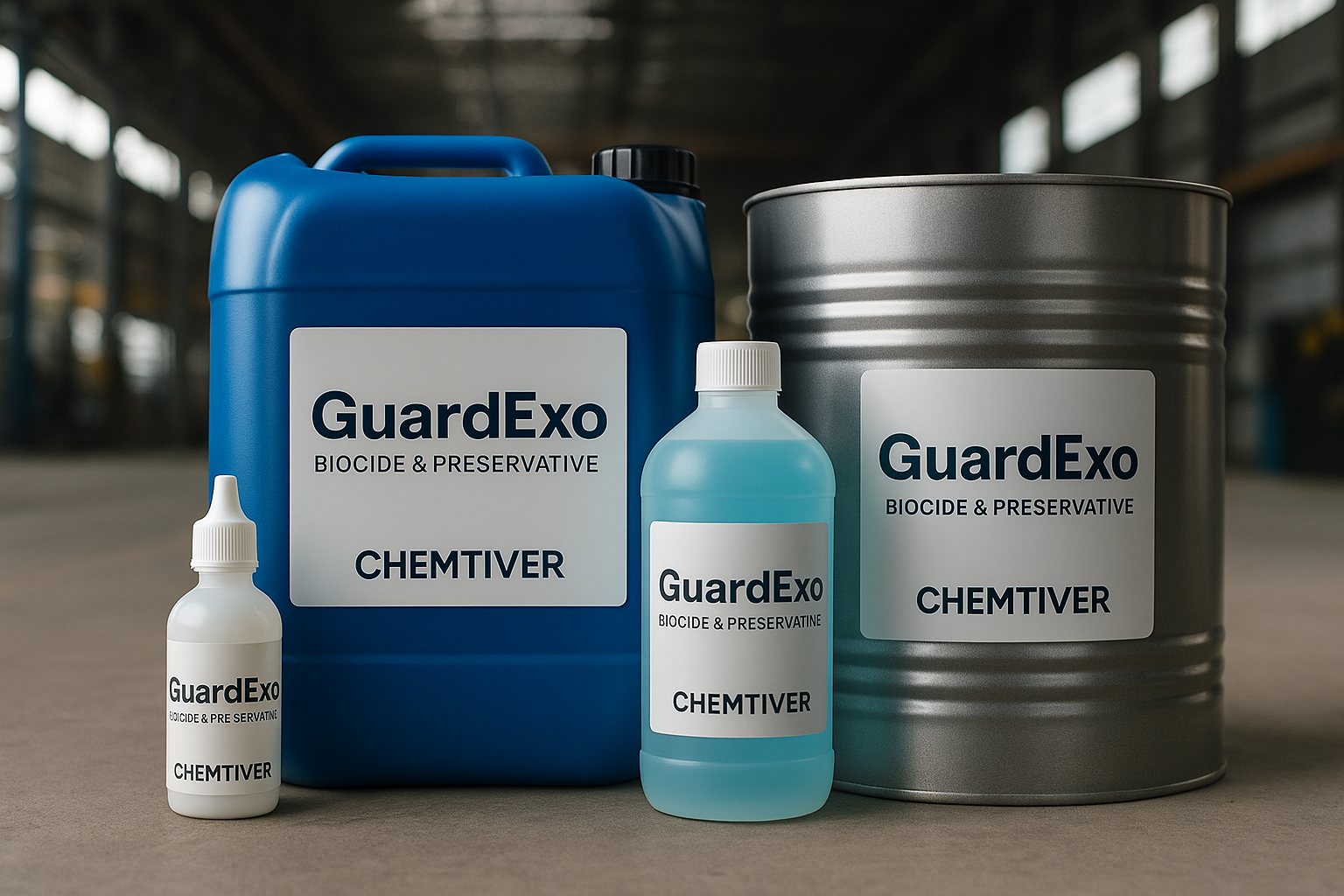
September 5, 2025 No Comments Indian chemical manufacturer Chemtiver., headquartered
BiocideHub.com is an independent platform. All biocide brand names, trademarks, and product names mentioned on this website are the property of their respective owners. BiocideHub does not own, represent, or claim affiliation with any third-party brands. Brand names are used strictly for informational and reference purposes only.
Copyright @2026, All Rights Reserved.